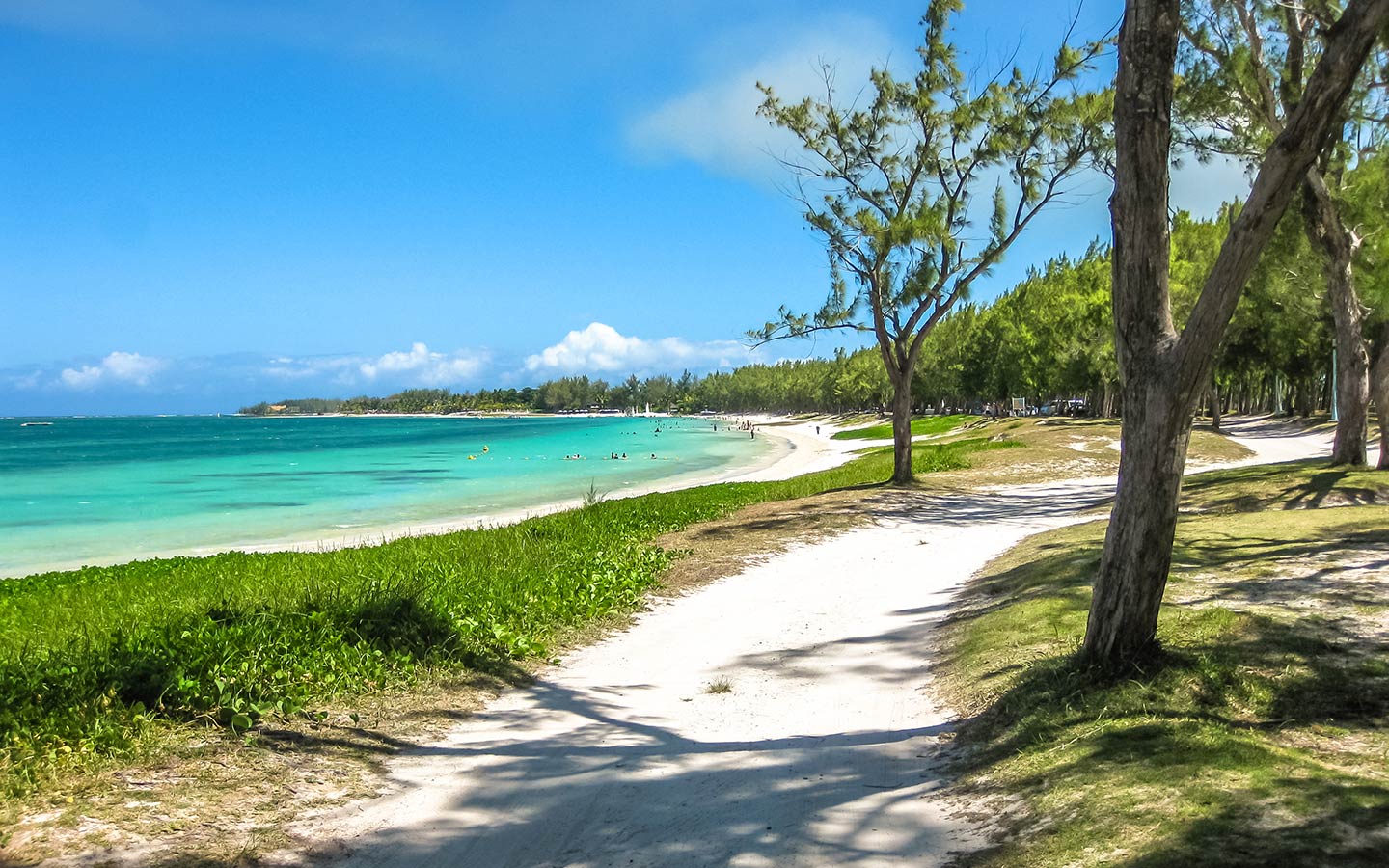
Belle Mare Beach
15 min drive
This long stretch of white sand provides a quieter atmosphere for a post-island walk or afternoon swim.

Trou d'Eau Douce sits on the east coast of the Flacq District, facing a lagoon scattered with small islets. This islands around mauritius guide sets out which of them are open to visitors, which are protected reserves, and what the village jetty has to do with reaching any of them. Expect plain figures rather than promises.
Quick answer
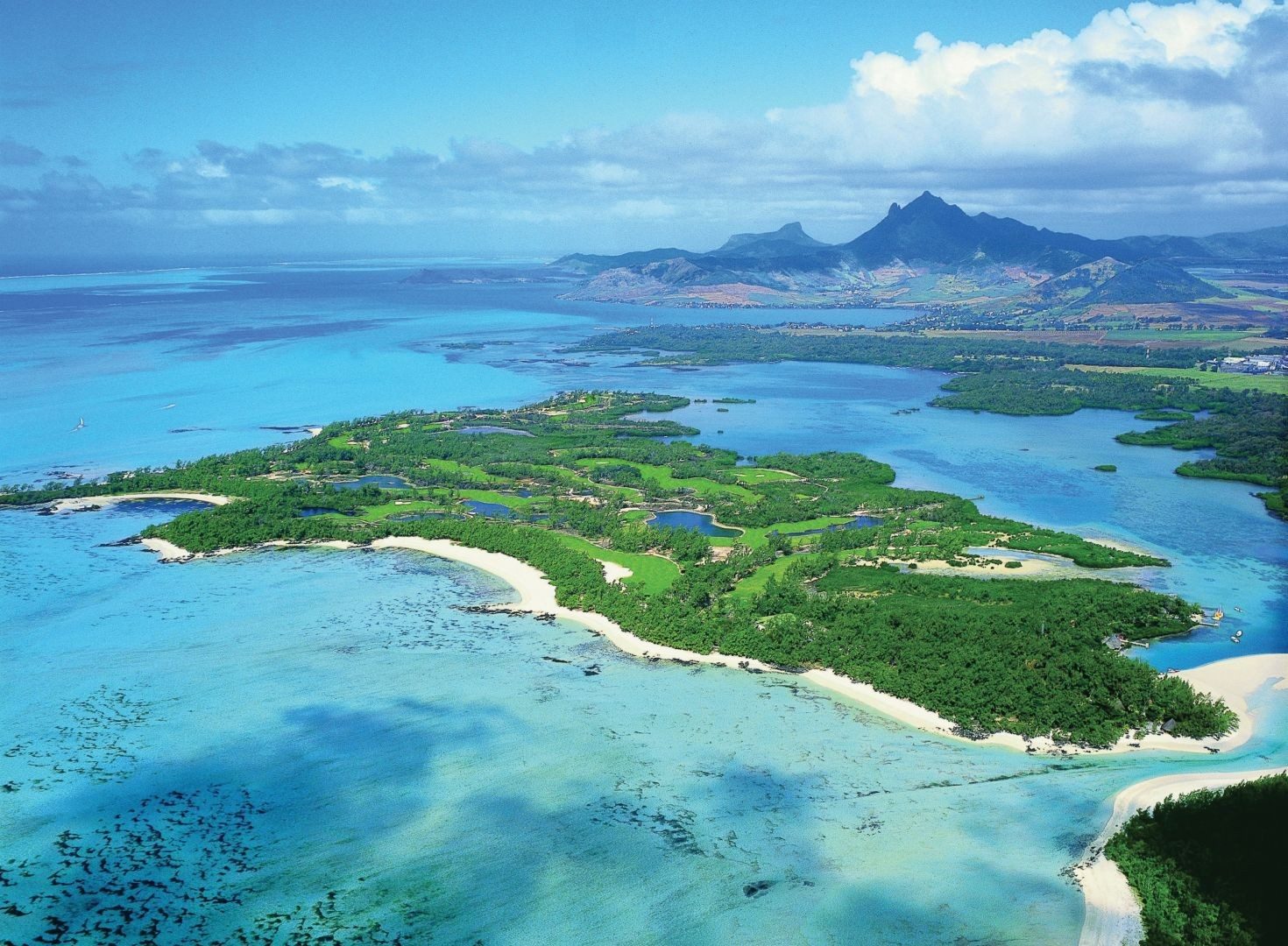
There is no entrance fee to Île aux Cerfs — entry is free at 0 MUR, with only boat transport paid separately. The island receives visitors daily from 09:00 to 18:00 year-round, with no closed day. Most other islets off this coast are nature reserves where landing is restricted or requires a permit, so Île aux Cerfs remains the practical destination from Trou d'Eau Douce.
Mauritius is ringed by roughly forty-nine outlying islets, and the great majority of them are legally off-limits. Islands around mauritius fall into two blunt categories: protected nature reserves that exist to shelter endemic reptiles and seabirds, and a much smaller set of islets where visitors may step ashore. Round Island and Serpent Island in the north are closed to the public entirely. Île aux Aigrettes, off Mahébourg, admits only guided groups. From Trou d'Eau Douce, the islet that matters is Île aux Cerfs, a low sand-and-casuarina island of about eighty-seven hectares lying inside the eastern lagoon. The geography explains the confusion. Trou d'Eau Douce is a fishing village turned jetty town, and the island it faces is separated by only a few hundred metres of shallow water — close enough to see, far enough to require a boat. That short crossing is why the village appears in almost every east-coast itinerary. The wider Mauritius islets tour circuit, sold under names like the five islands trip, strings together stops in the Grand River South East estuary, the waterfall in that river, and the barrier-reef edge where the lagoon drops off. Île aux Cerfs anchors it. Its eastern shore holds the public beaches, its interior a golf course, and its southern tip a sandbar that shifts with the season. What a visitor should do with this information is narrow the plan. Deciding among Mauritius offshore islands is less about choosing between them than about accepting that one is reachable and the rest are scenery. Note the free-entry status: the money goes to the boat, not the shore. Note also that the lagoon is a working environment — pirogues, speedboats and catamarans share the same channel, and the crossing is weather-dependent, occasionally suspended in cyclone season between January and March. August sits in the Mauritian winter, when the south-east trade winds are steadiest and the water clearest, which is part of why the east coast draws crowds now. The dedicated sections below handle the specifics this narrative deliberately leaves alone: the weekly schedule, what transport actually costs, how to reach the jetty, when to arrive, and what else in the Flacq District is worth an hour. Read those, then treat this islands around mauritius guide as the frame around them — a map of what is possible before the logistics of what is bookable.
“The money goes to the boat, not the shore.”
Planning your visit to the islands around Trou d'Eau Douce requires aligning with the optimal arrival window of 09:00–11:00. This early start ensures access to preferred beach space and avoids the highest levels of daily congestion.
—
Arriving during these hours offers the quietest experience.
Cooler, dry, 22°C–26°C
This period offers comfortable temperatures and lower humidity.
Warm, humid, 26°C–30°C
Expect higher visitor numbers and tropical rainfall.
—
Expect maximum crowd density throughout the day.
Verdict: The most favorable time to visit is Tuesday to Thursday between 09:00 and 11:00 during the months of May or October.
The transit services to the islands around Trou d'Eau Douce operate daily throughout the week.
Access to the islands around Trou d'Eau Douce, such as Île aux Cerfs, is free of charge. Visitors only need to arrange and pay for their own boat transfers to reach the location.
Verdict: While the island entrance fee is 0 MUR, the total cost depends entirely on the price set by your selected boat transfer operator.
Trou d'Eau Douce is located in the Flacq District on the eastern coast of Mauritius. It serves as the primary departure point for boat transfers to the surrounding islands.
Take the 59, 59A, or 59B bus to the Trou d'Eau Douce bus terminal
Follow the B26 or B61 roads toward the Flacq District coastline
Direct hire to the Trou d'Eau Douce jetty
Standard transfers depart from the Trou d'Eau Douce jetty
Arriving between 09:00 and 11:00 helps you avoid the busiest part of the day. Ample parking is available near the jetty area for those traveling by private vehicle.
The coastal area surrounding Trou d'Eau Douce offers several points of interest that complement a morning visit to the islands. These locations allow visitors to extend their time in the Flacq District after completing boat excursions.
15 min drive
This long stretch of white sand provides a quieter atmosphere for a post-island walk or afternoon swim.

20 min drive
Visiting this traditional market offers insight into local commerce and is best experienced when returning from the coast.
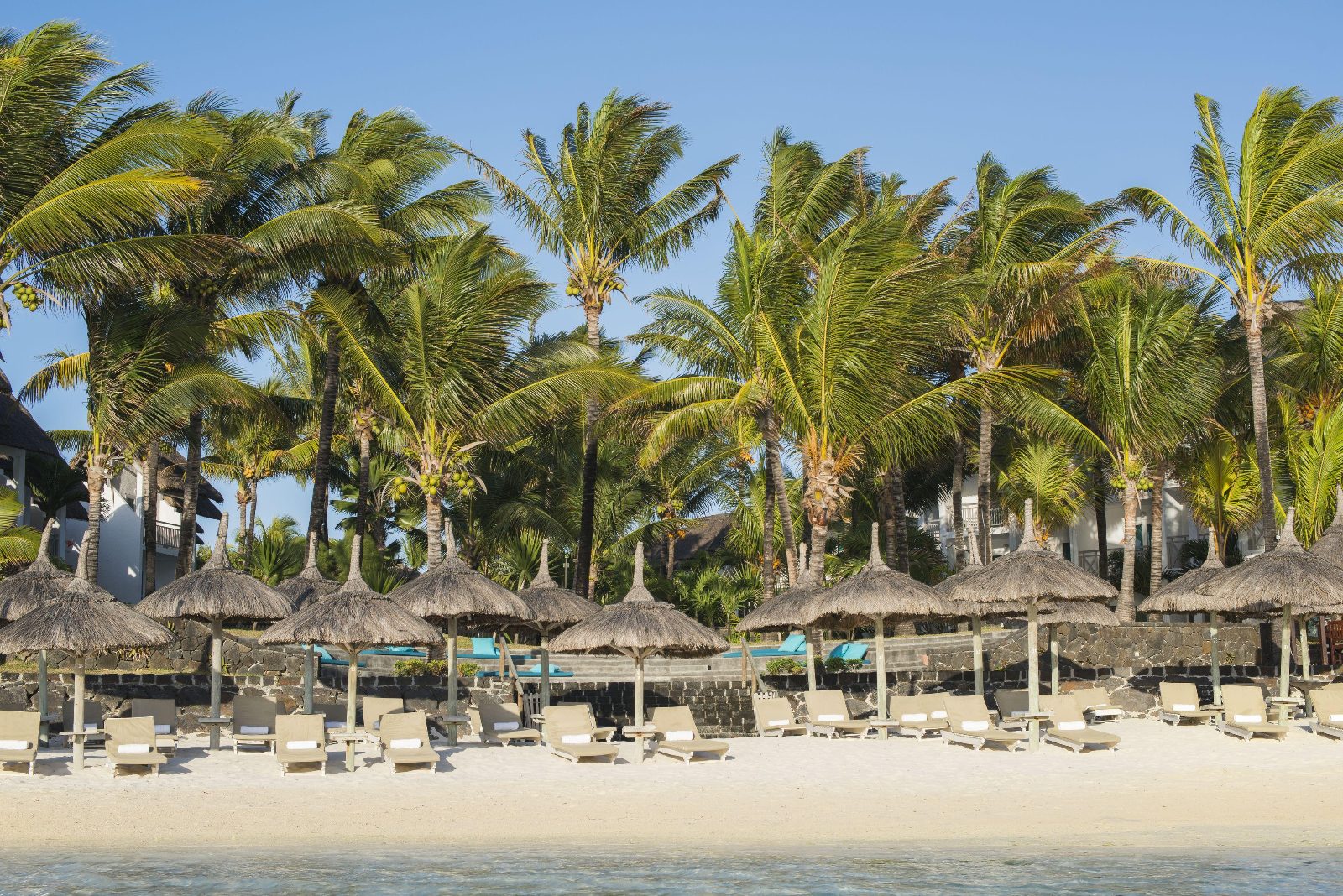
10 min drive
Known for its calm waters and casuarina trees, this beach is a practical stop for those looking to relax near the water without further boat travel.
Everything you need to know about islands around mauritius
The most prominent destination accessible from Trou d'Eau Douce is Ile aux Cerfs. This location is a primary highlight when exploring the various islands around mauritius, known for its extensive white sandy beaches and turquoise lagoon waters.
There is 0 MUR entrance fee for the island itself, as it is a public space. However, you will need to arrange and pay for boat transfers to reach these islands around mauritius, as there is no bridge access.
The best arrival window is between 09:00 and 11:00 to avoid the busiest part of the day. Arriving early ensures better availability of beach space and a more relaxed experience while exploring islands around mauritius.
Yes, these destinations are generally family-friendly, offering shallow lagoon areas that are suitable for swimming and recreation. Most boat operators providing transport to islands around mauritius can accommodate visitors of all ages with appropriate safety equipment.
Most visitors spend a full day enjoying the beach, water sports, and local amenities. It is recommended to plan for several hours to fully appreciate the scenery and activities available across the islands around mauritius.
You can reach the departure point by traveling to Trou d'Eau Douce in the Flacq District. From there, licensed boat operators provide regular shuttle services and private charters to transport passengers to the surrounding islets.